
Preserving Texture and Color in Frozen Green Beans: Effective Techniques
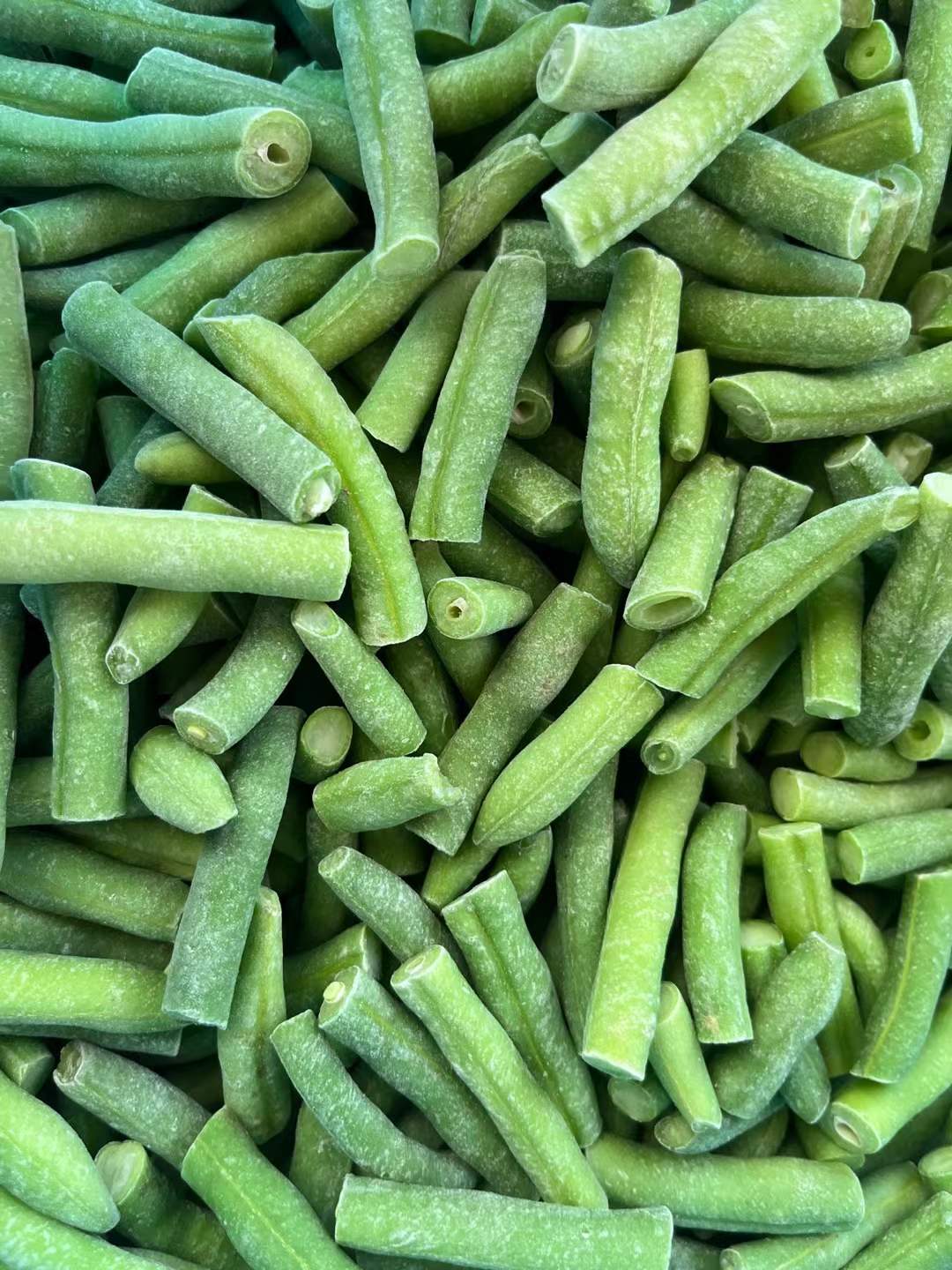
IQF frozen green beans cater to the rising global demand for standardized IQF frozen vegetables. To be specific, IQF frozen green beans satisfy global buyers and food service operators with reliable convenience and nutrition. In addition, IQF frozen green beans retain stable color and crisp texture after IQF processing. To ensure consistent quality, the green beans are processed with modern freezing technologies and standardized pre-treatment methods. As a result, these green beans maintain stable product characteristics. Throughout storage and preparation, these IQF frozen green beans maintain consistent quality.
To sustain this consistent quality, these IQF frozen vegetables require a series of connected preservation procedures. These procedures jointly protect cellular structure, inhibit enzyme activity, and stabilize pigments.
Blanching to Retain Optimal Texture
Steam blanching serves as a core pre-treatment procedure for IQF frozen green beans. Specifically, steam blanching applies controlled steam at 85–95°C for 90–180 seconds to deactivate texture-degrading enzymes and preserve cellular structure. In comparison with traditional water blanching, steam blanching lowers nutrient loss and enhances color and texture consistency in finished products.
By contrast, Water blanching adopts another conventional processing approach. Specifically, water blanching submerges beans in boiling water at 100°C following a 4:1 water-to-product ratio. Meanwhile, water blanching maintains pH value within 7.2–7.5 to retain inherent green hue. Furthermore, water blanching conducts instant cooling to halt thermal reaction and preserve the texture and color of the product.
Refining IQF Technologies to Ensure Consistent Product Attributes
IQF technology executes rapid freezing at -35°C to -40°C within 15 to 20 minutes. The technology forms fine ice crystals and reduces cell tissue damage of green beans. In addition, the individual freezing mode stops particle clumping and maintains the shape and texture of the produce.
🏠 Visit Our Homepage for More Frozen Vegetables, frozen fruits and frozen mushrooms
Preserving Green Color in IQF Frozen Green Beans: Core Techniques”
Chlorophyll stabilization uses magnesium salts and pH control during blanching to keep green color and avoid conversion to olive-colored pheophytin.
Antioxidants such as ascorbic acid and tocopherols are applied to oxidation and slow color degradation during frozen storage.
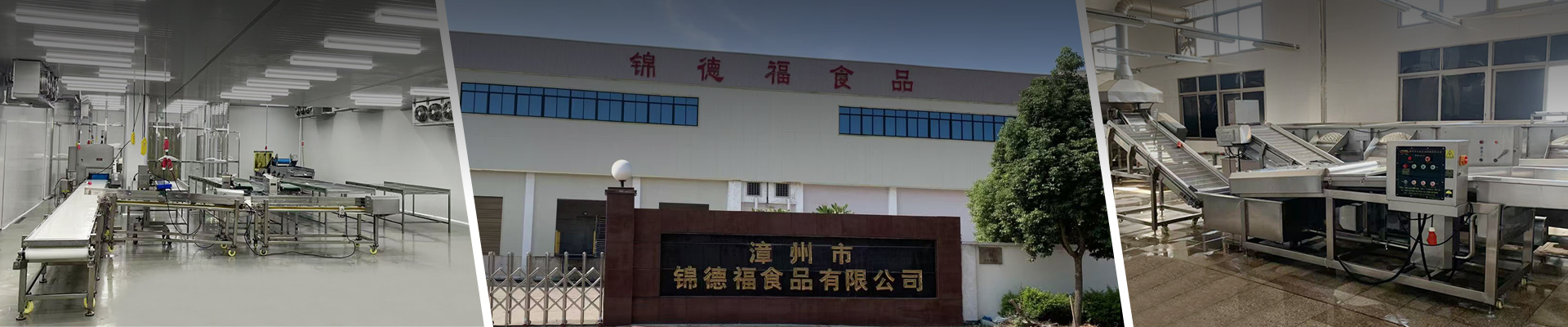
View Our Factory | Trusted IQF Frozen Vegetables Manufacturer
Managing Temperature Throughout Processing
Following the freezing process, constant storage at -18°C and below restrains ice crystal expansion and averts texture deterioration. Meanwhile, experience cold chain systems track temperature status to minimize fluctuation risks.
Apart from temperature management, standardized storage further maintains humidity at below 85% and maintains sufficient air circulation. Furthermore, inventory handled under FIFO principle keeps product quality stable consistently.
Assessing and Controlling Product Quality
Sensory evaluation and instrumental tests measure color, firmness, and appearance. Spectrophotometry and texture analysis provide objective data for process improvement.
Nutritional monitoring checks vitamin and mineral retention. Advanced analytical methods confirm flavor and phytonutrient stability after processing and storage.
🔒 View our full food safety certifications (HACCP, FDA, ISO,KOSHER, BRCGS, HALAL)
Optimizing Packaging to Extend Product Quality Stability
Modified atmosphere packaging adjusts internal oxygen and carbon dioxide proportion to inhibit oxidation and slow down quality degradation. In addition, high-barrier packaging films block external moisture and gas interchange effectively.
Besides Modified atmosphere packaging, vacuum packaging also adopts high-barrier materials and aligns with previous processing steps. These packaging methods extend shelf life and preserve color and texture of frozen green beans.
Frequently Asked Questions
How does blanching time affect frozen green beans texture?
Blanching time controls enzyme inactivation and cellular condition. Under-blanching may allow enzyme activity that degrades texture; over-blanching may soften beans. Typical suitable ranges are 90–180 seconds based on bean size and variety.
What storage temperature supports quality?
Frozen green beans are preferably stored at -18°C or lower. Temperatures above -15°C may increase ice crystal formation and cause texture loss. Some experience facilities use -23°C for extended protection.
How long can frozen green beans maintain quality?
Under proper processing and stable -18°C storage, frozen green beans can retain good color, texture, and nutrition for about 12–18 months. Quality may gradually decline after 18–24 months.
What causes color changes in frozen green beans?
Color changes mainly come from chlorophyll degradation caused by residual enzymes, oxidation, pH shifts, light exposure, and temperature fluctuations. Adequate blanching and stable cold chain help reduce these changes.
Why is IQF suitable for green beans?
IQF freezes beans quickly to form small ice crystals, reducing cell wall damage. It keeps individual pieces separate, avoids clumping, and better preserves shape, texture, and appearance.
How does packaging help quality retention?
High-barrier and modified-atmosphere packaging limit oxygen, moisture, and light exposure. Vacuum packaging removes air to slow oxidation. These methods extend shelf life and preserve color and texture.
